Level Switch Selection Guide
Types, Working Principles, and How to choose


Types, Working Principles, and How to choose
The selection of a level switch requires consideration of several important factors, including measurement range, accuracy, resolution, environmental factors, output type, cost, etc.
Choosing the right level switch enables accurate level detection and control of liquids and solids, leading to efficient operation in various industrial sectors.
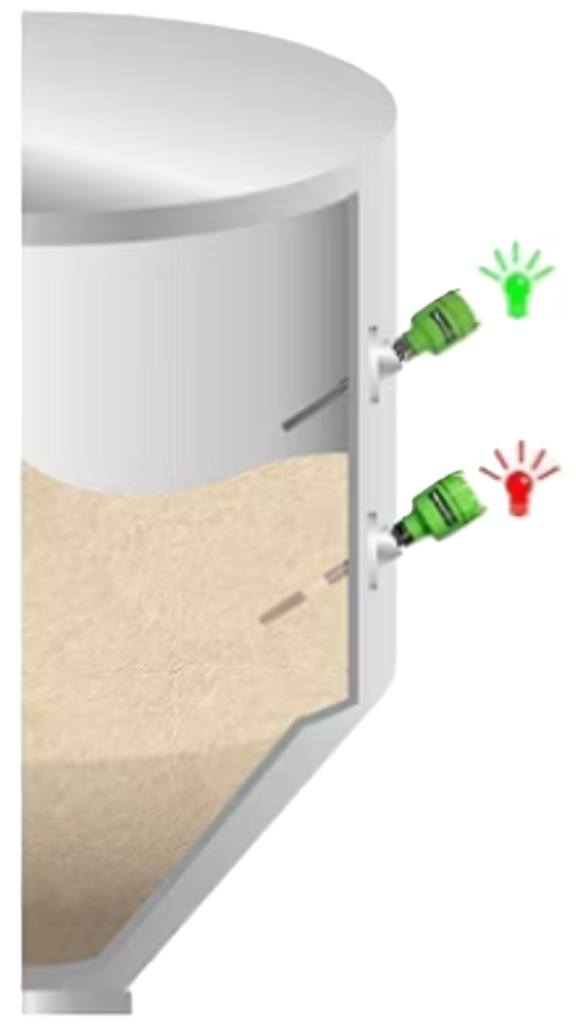
Level switch is a sensor to detect level (High=Full or Low=Empty) of material in vessels, tanks, etc.
It outputs ON or OFF dry relay signal to start or stop charging/discharging material.
Bigger capacity vessels sometimes require to monitor intermediate level as well not only High and Low level.
In this case, generally Level Transmitter is used to monitor real time continuous level in the vessel.
Please refer to the other article "What are Level Transmitters" for detail of Level Transmitter.
There are many kinds of level switches to cover various applications (different type of material, process conditions, etc.).
It sometimes makes confusion on suitable level switch selection even if we understand the feature of each level switches.
There are many factors on the suitable level switch selection, such as characteristic of material, measurement conditions, mounting position, etc...
Each factor can be subdivided into dozens of species and those combinations will be astronomical patterns.
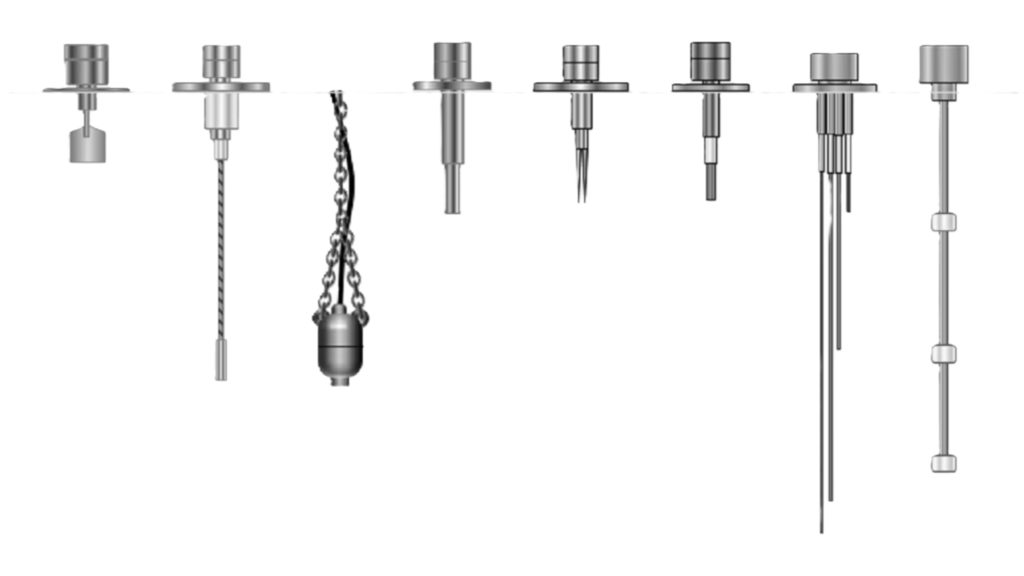
Then we, Matsushima Measure Tech, has published "Level Switch Model Selection Guide" to help you from complicated suitable level switch model selection.
However, this is just a general reference guide and does not guarantee the performance of each manufacturer's product.
Anyway please feel free to consult with us if you have any question or need any assistance.
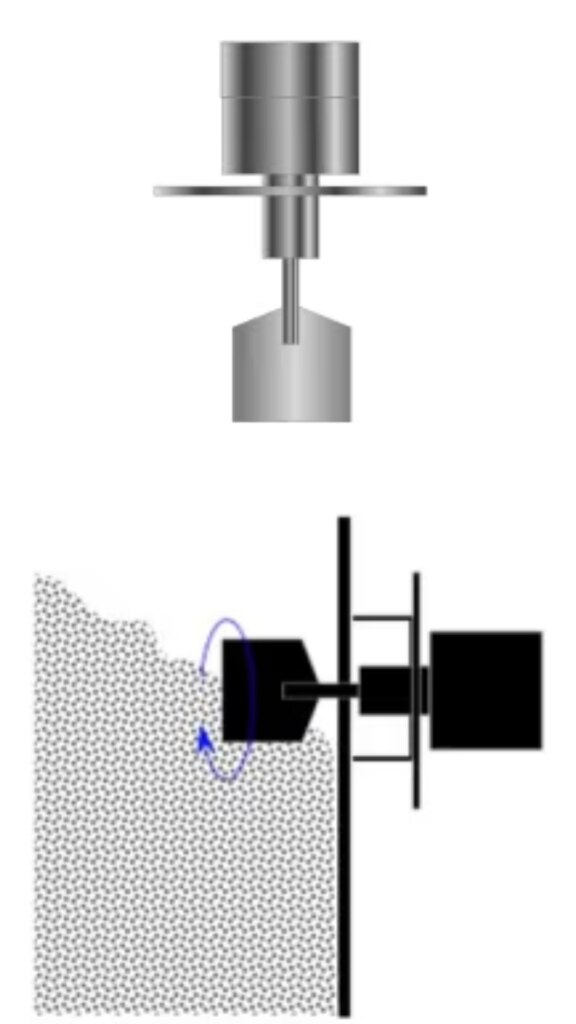
Rotating Paddle Level Switch makes detection when the rotating paddle contacts with material and is hold with the force higher than the paddle rotating torque.
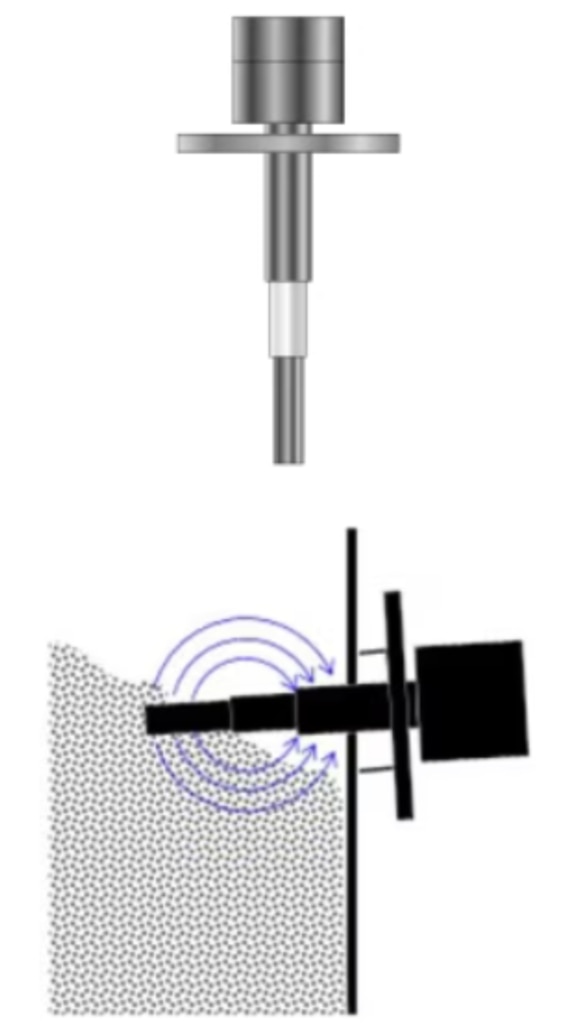
Capacitance Level Switch makes detection when the capacitance value between the probe and tank wall varies because of the presence or absence of material around the probe.
Versatile level switch widely applicable to liquid and solids applications.
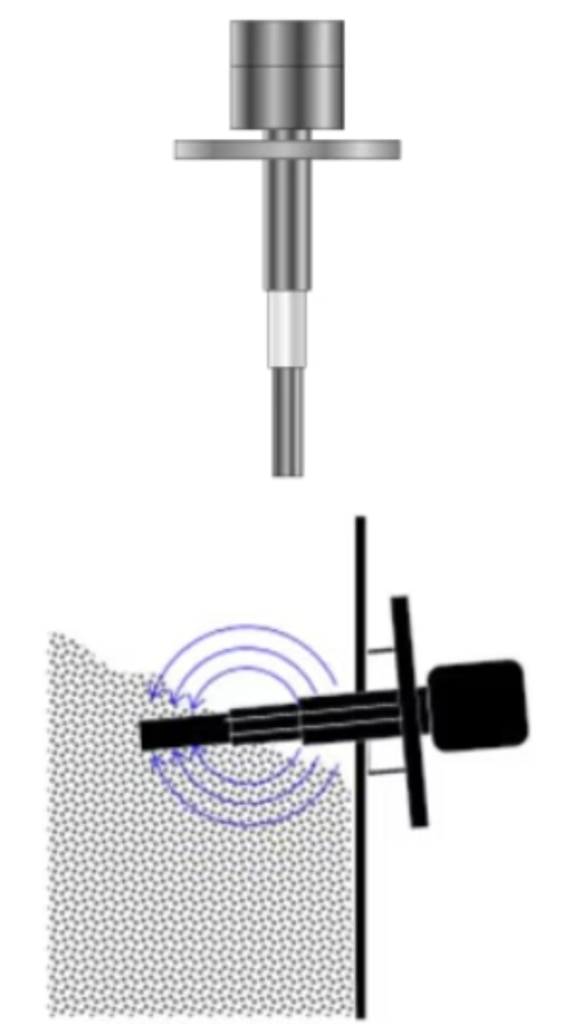
Admittance Level Switch is a type of Capacitance Level Switch. The detecting area is at the tip of probe to decrease the influence of adhesin of measured substances. (Generally the detecting area of Capacitance Level Switch is at the root of the probe.)
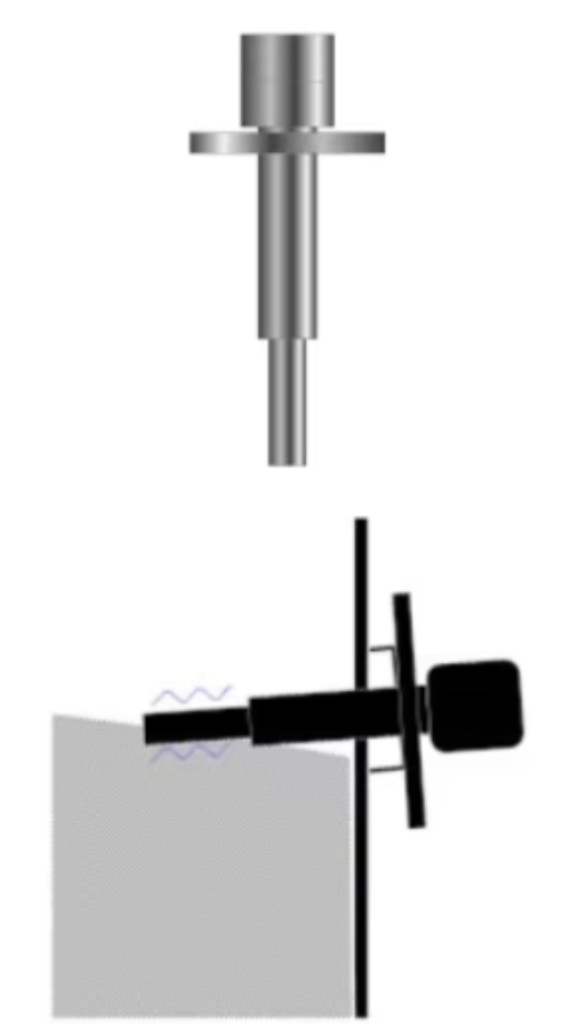
Vibrating Level Switch makes detection when the vibrating probe is covered by the material and the vibration attenuates.
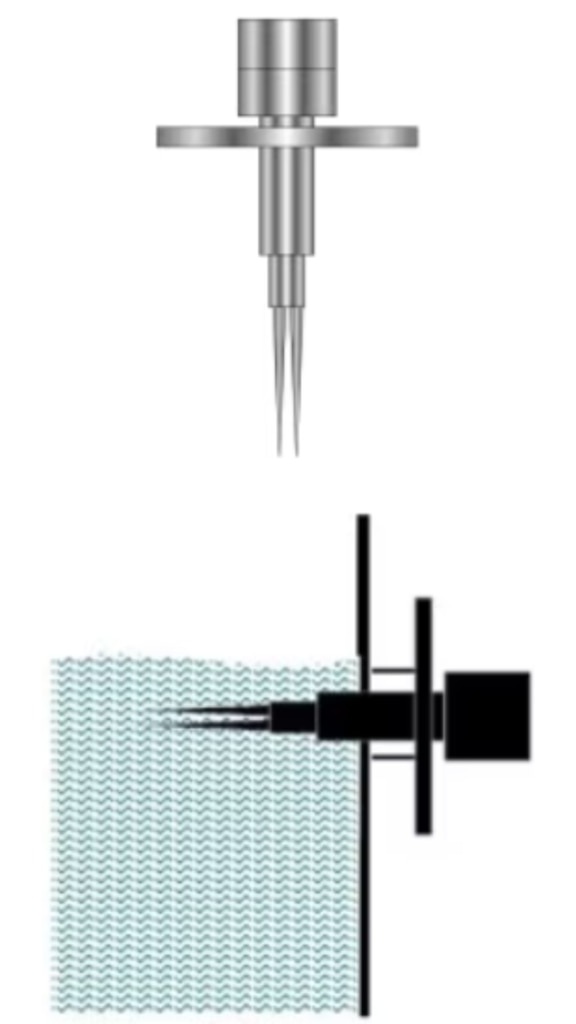
Vibrating Fork Level Switch makes detection when the vibrating fork probe is covered by the material and the vibration attenuates.
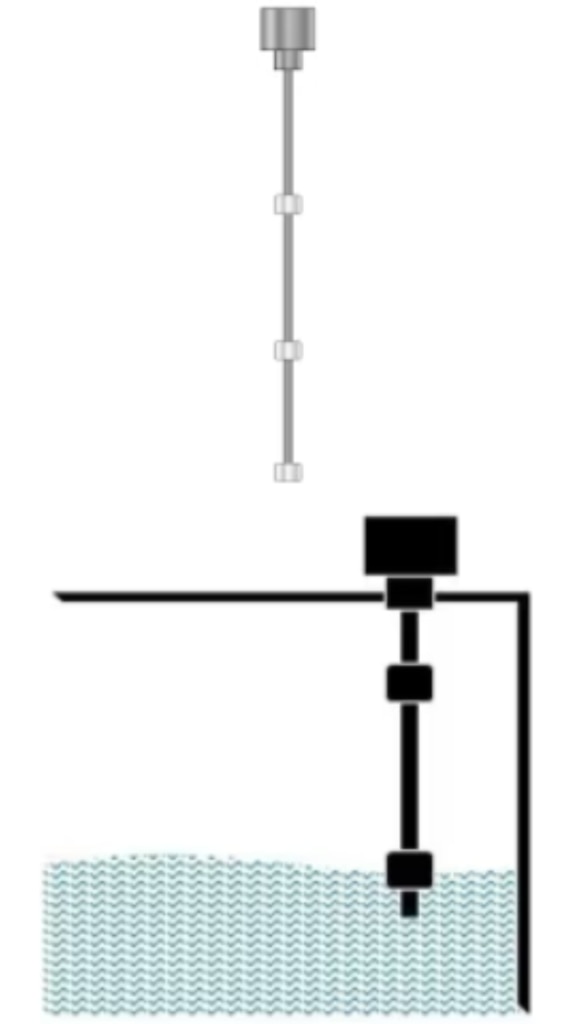
Float Level Switch makes detection when the float moves (rises or falls) by buoyancy on liquid.
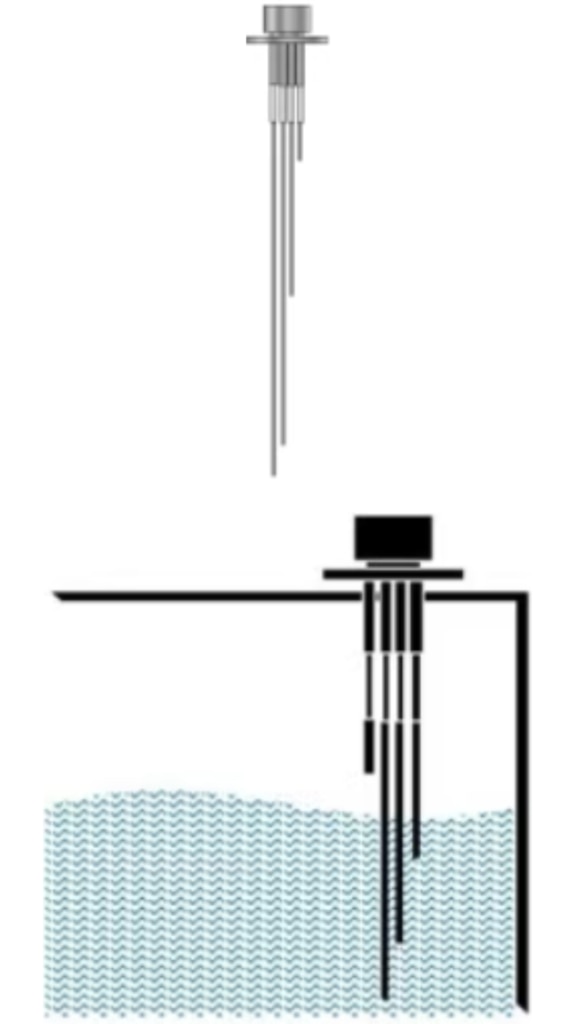
Conductive Level Switch consists of the earth electrode and multiple detection electrodes and makes detection when it has a conduction via liquid between the earth electrode and the other detection electrode.
Environmental conditions are an important consideration when selecting a level switch. The following factors will greatly influence your choice:
Proper consideration of these environmental factors can significantly increase the reliability and lifespan of your level switches.
Please feel free to ask us if you have any questions, inquiries or want our support.
Click here to download documents.
Click here for any questions.
Trivia, trends or information mainly for technologies.
Frequently Asked Questions.
WEBINAR archives available for free viewing.
© Matsushima Measure Tech