Industrial Dust Collectors
Challenges, Risks, and Predictive Maintenance Solutions


Challenges, Risks, and Predictive Maintenance Solutions
Industrial dust collectors play a critical role in modern manufacturing, protecting workers, equipment, and the environment from airborne particles generated during processes such as metal cutting, woodworking, cement production, and pharmaceutical manufacturing.
These systems have traditionally been viewed as static, “set-and-forget” equipment.
However, the global landscape is changing rapidly.
Manufacturers face tougher environmental regulations, escalating energy costs, and mounting demands for sustainability.
At the same time, end users expect equipment that is more intelligent, connected, and reliable.
These forces are reshaping the dust collector industry and pushing it toward the adoption of IoT, AI, and smart sensors.
This article explores how these technologies are transforming dust collectors, the benefits they deliver, and why manufacturers must act now to stay competitive.
An industrial dust collector is a type of air pollution control equipment designed to capture and remove harmful dust or particulate matter from industrial processes in order to meet environmental and workplace safety requirements.
Dust collectors typically operate by drawing air containing contaminants through a filtration system. The system captures the particulates while releasing back the filtered air into the environment.
There are four types of industrial dust collectors, each suited for different applications and levels of contaminant:
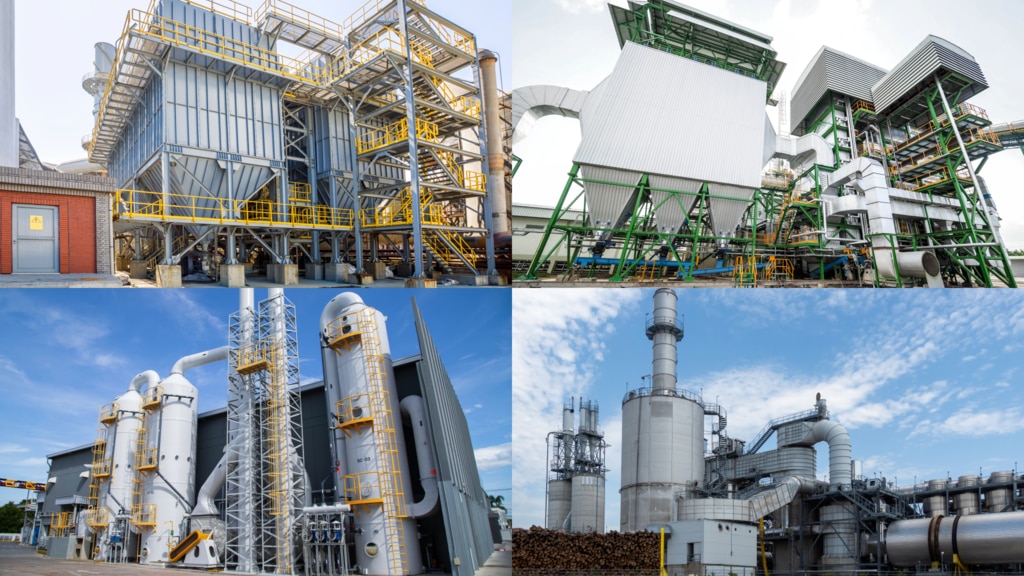
A bag filter, also known as a baghouse or fabric filter, is a filtration type dust collector that mainly captures particulates from exhaust gas in industrial processes.
It is widely used in various industries due to its effectiveness, efficiency and versatility.
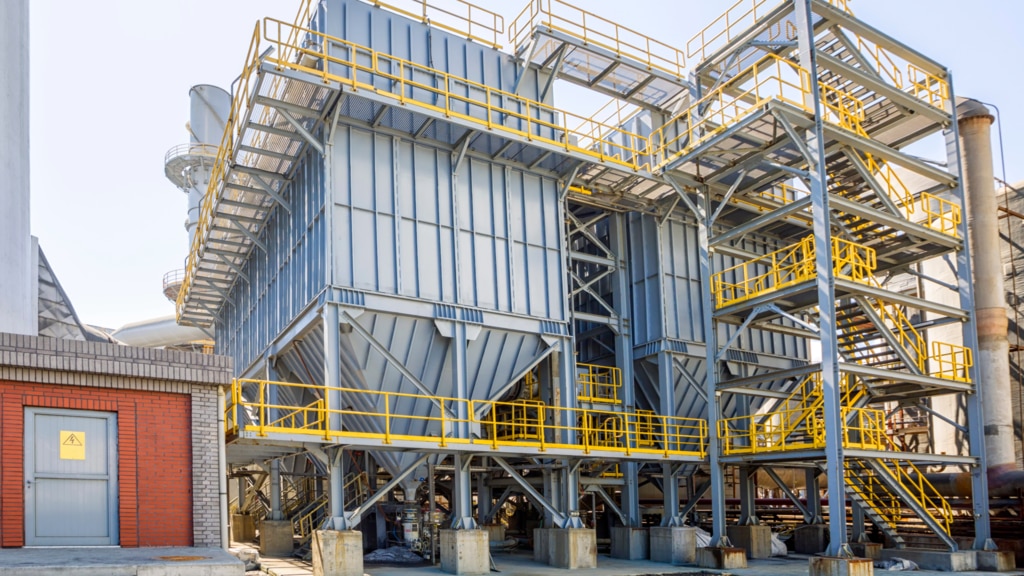
= Airflow and Dust Containment =
= Filtration Process =
= Dust Collection =
= Cleaning Process =
= Disposal =
Widely applicable and used in Cement industry, Food processing, Chemical Manufacturing, Pharmaceutical industry, Textile industry, Metalworking, Mining and Mineral Processing, Power Generation, Garbage Incineration, Paper & Pulp industry, etc.
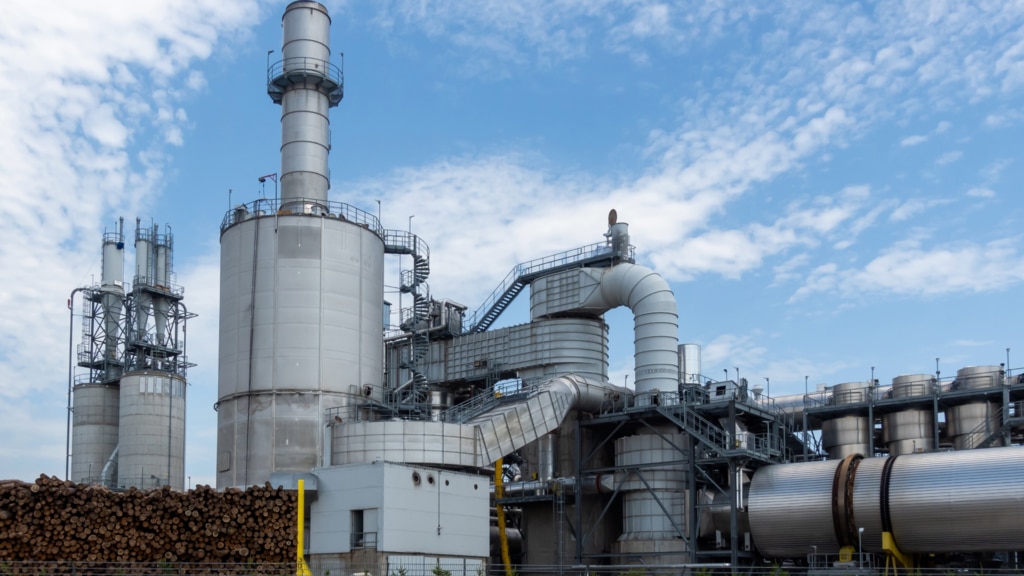
A cyclone separator is a mechanical device used to separate dust particles or particulates from a gas stream based on the principle of centrifugal force.
It is widely used in various industries for dust collection and air pollution control.
= Inlet Design =
= Centrifugal Force =
= Separation =
= Collection =
An electrostatic precipitator (ESP) is an air pollution control device that removes fine dust particles or particulates from a gas stream by using the principles of electrostatics.
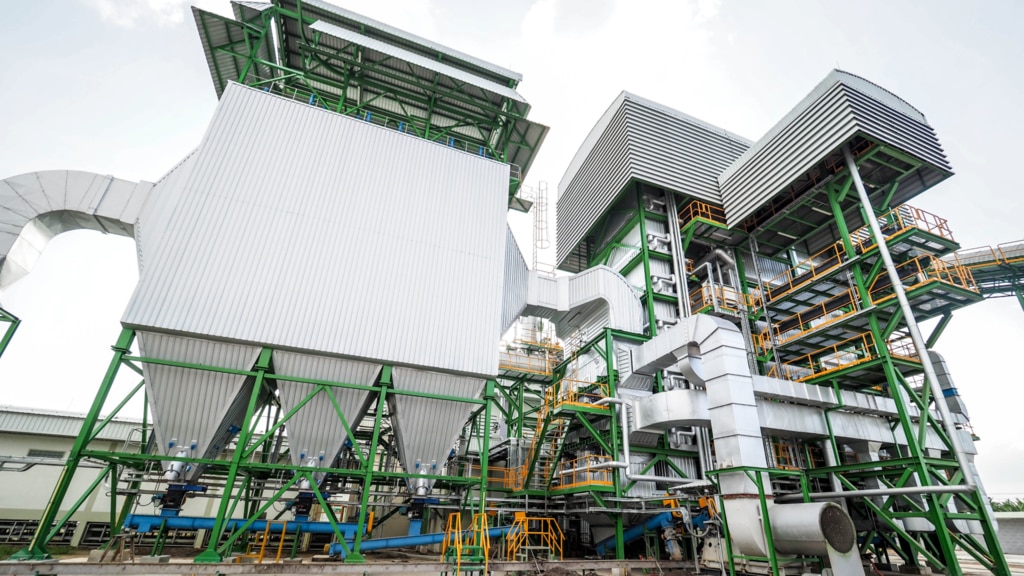
= Ionization =
= Precipitation =
= Collection =
A wet scrubber is an air pollution control device that uses a liquid, typically water or a chemical solution, to remove particulate matter and pollutants from gas streams.
By capturing contaminants through a combination of mechanisms such as absorption, adsorption, and impaction, wet scrubbers are effective in various industrial applications.
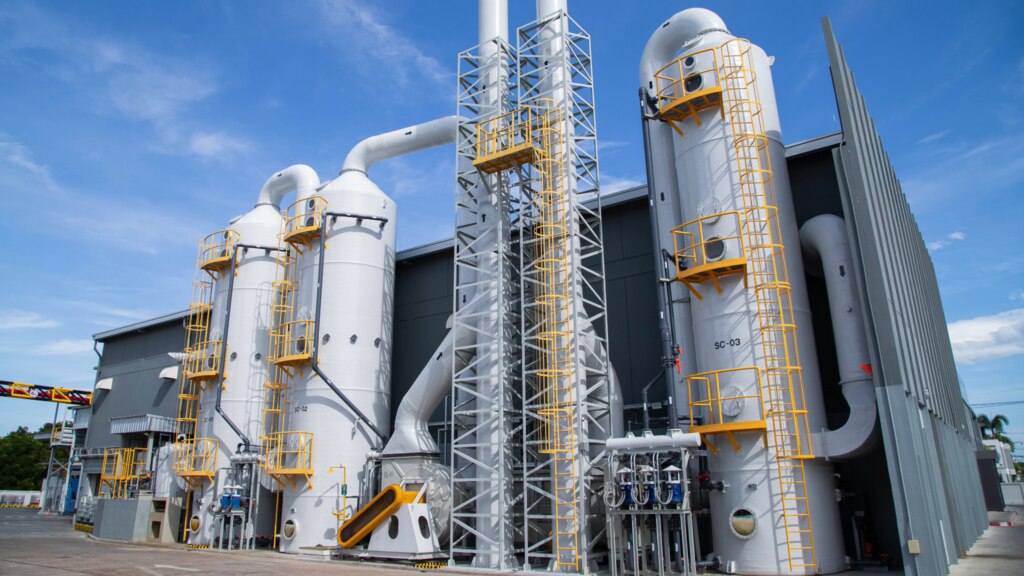
= Gas Inlet =
= Liquid Delivery =
= Contaminant Interaction =
= Separation =
= Liquid Recycling =
Traditional dust collectors rely on manual inspections and fixed operating schedules. While effective at capturing particulate matter, this approach creates three persistent challenges:
In a world of rising energy prices and stricter global environmental standards, these inefficiencies are increasingly unsustainable.
The integration of IoT sensors in dust collectors represents a fundamental shift in how these systems are managed. Modern sensors can continuously monitor critical parameters, including:
Real-time data empowers operators to make informed decisions. For example, fans can be adjusted automatically based on actual dust load, rather than running at full speed all day. Remote monitoring also allows plant managers to oversee multiple facilities from a central location, reducing labor costs and improving consistency.
Smart sensors provide valuable data, but the real innovation lies in combining them with AI-driven predictive maintenance. Instead of waiting for equipment to fail, AI algorithms analyze trends in sensor data to predict problems before they occur.
Key benefits include:
For dust collector manufacturers, offering predictive maintenance capabilities can differentiate their products and position them as leaders in advanced industrial solutions.
Governments and regulatory bodies such as the U.S. EPA, the European Commission, and environmental agencies in Asia are tightening restrictions on industrial emissions. Companies must now not only control dust but also prove compliance through data-driven reporting.
Smart dust collectors equipped with sensors generate digital records automatically, streamlining audits and providing verifiable proof of compliance. Additionally, optimized airflow and reduced energy usage lower carbon emissions, aligning operations with global sustainability initiatives.
This combination of compliance assurance and environmental responsibility makes sensor integration a necessity rather than an option.
The global dust collector market is becoming more competitive as customers demand greater efficiency and transparency. By integrating smart sensors and IoT connectivity, manufacturers can:
Adopting these technologies today allows manufacturers to position themselves as forward-thinking leaders ready for the next generation of industrial air quality solutions.
The industrial world is shifting toward digital transformation, and dust collectors are no exception. Within the next decade, most new systems are expected to include:
Companies that invest early will gain a lasting competitive advantage and secure a reputation as innovators. Those that hesitate risk being left behind as smarter, greener, and more cost-effective solutions dominate the market.
The future of industrial dust collectors lies in IoT, AI, and smart sensors. These technologies are no longer experimental—they are practical tools already delivering measurable benefits in efficiency, compliance, and sustainability.
Manufacturers who act now will strengthen their market position, reduce costs for their customers, and prepare for increasingly strict global standards.
The question is no longer if these technologies will shape the industry, but when you will choose to embrace them.
Please feel free to ask us if you have any questions, inquiries or want our support.
Click here to download documents.
Click here for any questions.
Trivia, trends or information mainly for technologies.
Frequently Asked Questions.
WEBINAR archives available for free viewing.
© Matsushima Measure Tech