

Introduction
Why Filter Failure Causes Material Loss in Pharmaceutical Fluid Bed Dryers
In pharmaceutical manufacturing, fluid bed dryers and processors are essential for granulation and drying operations.
However, these processes rely heavily on the integrity of bag filters to prevent fine powders from escaping the system.
When a filter begins to deteriorate or rupture, even microscopic holes can allow high-value raw materials to be discharged into the exhaust stream.
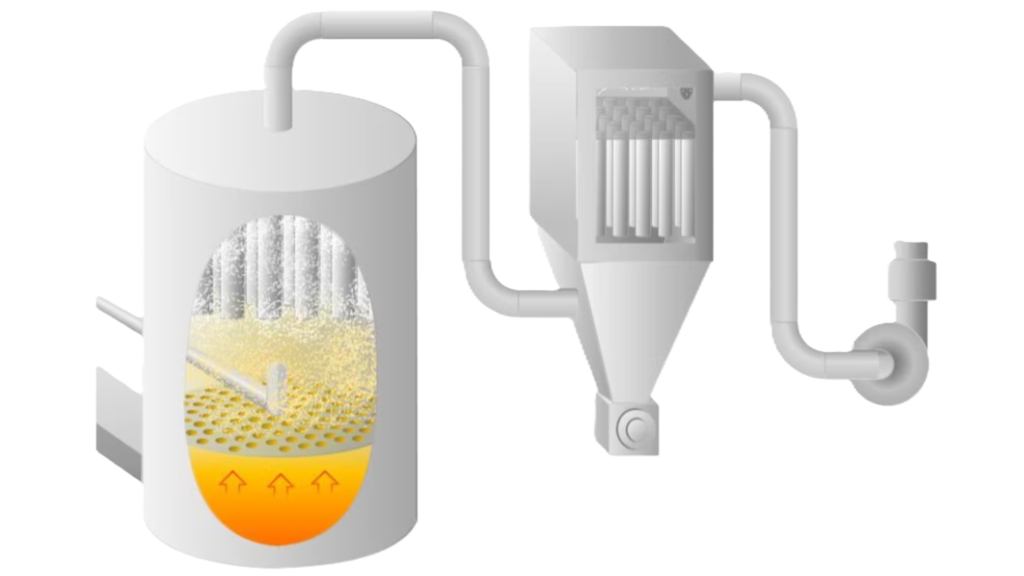
Because these leaks often occur gradually and invisibly, material loss may continue for hours or days before being noticed. In addition to reduced yield, undetected filter failure can lead to contamination risks, unplanned downtime, and deviations from GMP requirements.
As pharmaceutical APIs and excipients become increasingly expensive, preventing unnoticed material loss is a critical operational challenge.
Common Problems with Bag Filters in Fluid Bed Dryer and Granulation Processes
Bag filters in fluid bed dryers operate under demanding conditions, including thermal stress, repeated pulse-jet cleaning, and mechanical abrasion from fine particles. Over time, these factors can cause fabric fatigue, seam damage, or pinhole leaks.
Typical challenges include:
01 | Gradual filter wear that is not visible during routine inspections |
02 | Dust leakage during backwashing or cleaning cycles |
03 | Sudden rupture caused by mechanical shock or aged filter media |
Manual inspections and differential pressure monitoring alone are not sufficient to detect early-stage leakage. As a result, many manufacturers only become aware of filter problems after significant material loss or product quality issues have already occurred.
Real-Time Leakage Monitoring Solution
Solved by the Dust Monitor
The triboelectric dust monitor provides continuous 24-hour monitoring of particulate leakage to verify normal bag filter performance.
Implementing the dust monitoring system to detect filter breaches offers a promising solution for reducing raw material waste and improving process efficiency in the fluidized bed drying and granulation process.

Featured Functions
Continuous Monitoring
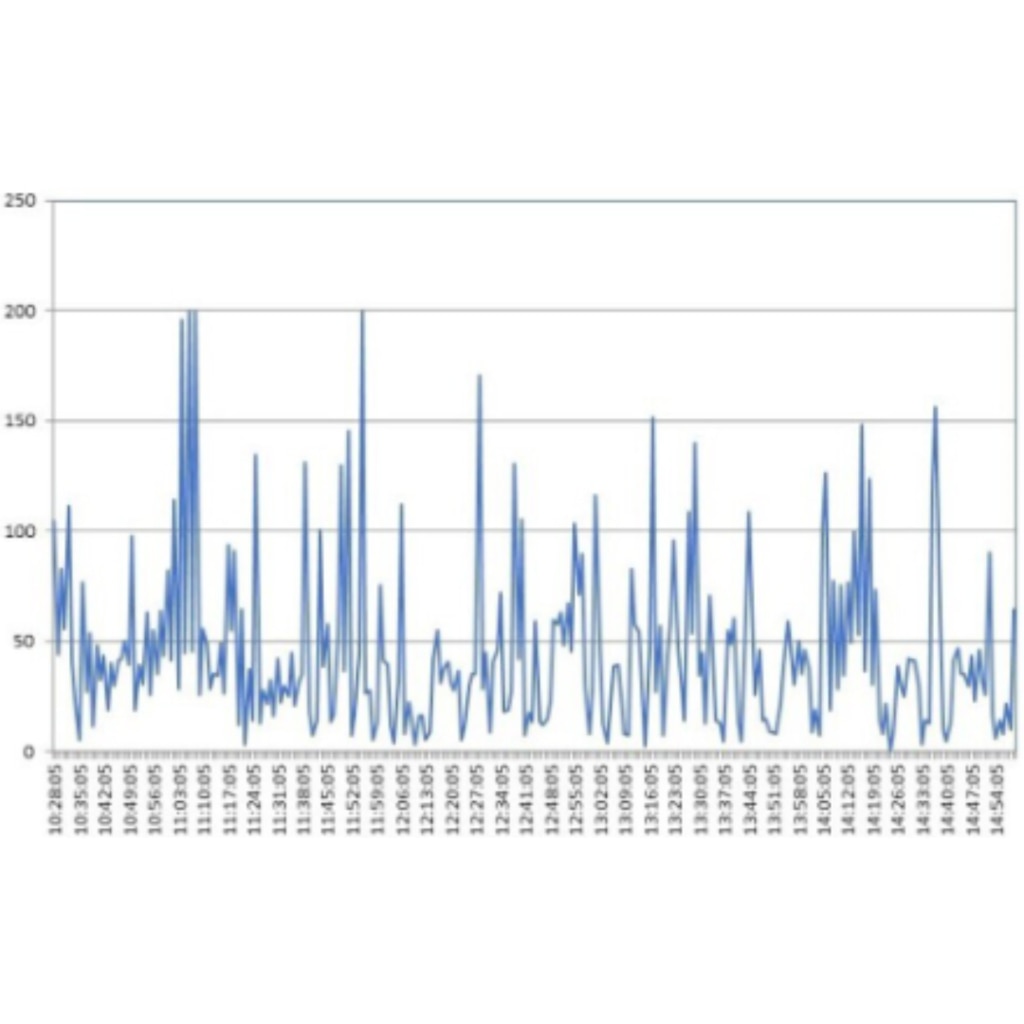
Provides 24H continuous measurement which is highly correlated with the absolute measurement (isokinetic sampling method) at a reasonable cost.
Easy Setting
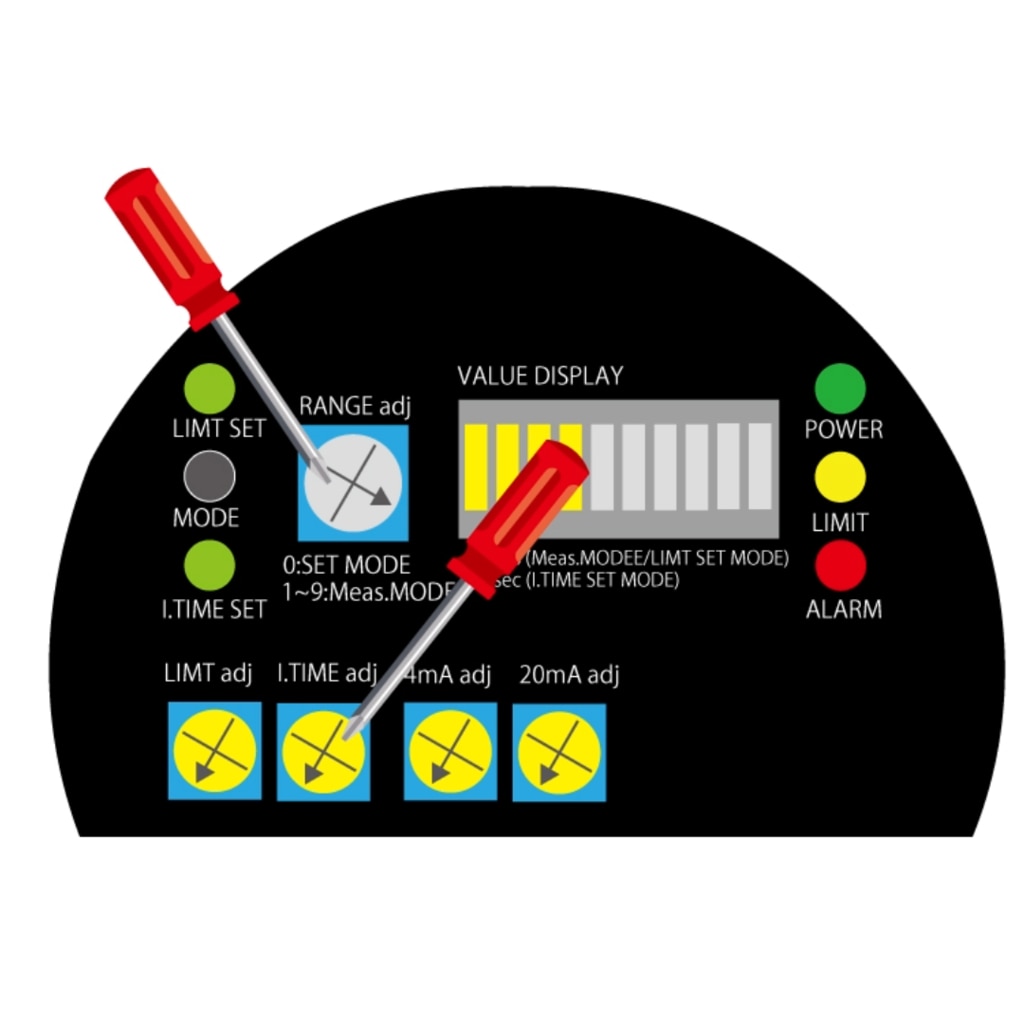
No complicated commissioning required.
It is done by selecting a measurement range with screwdriver only.
Variety of Lineup
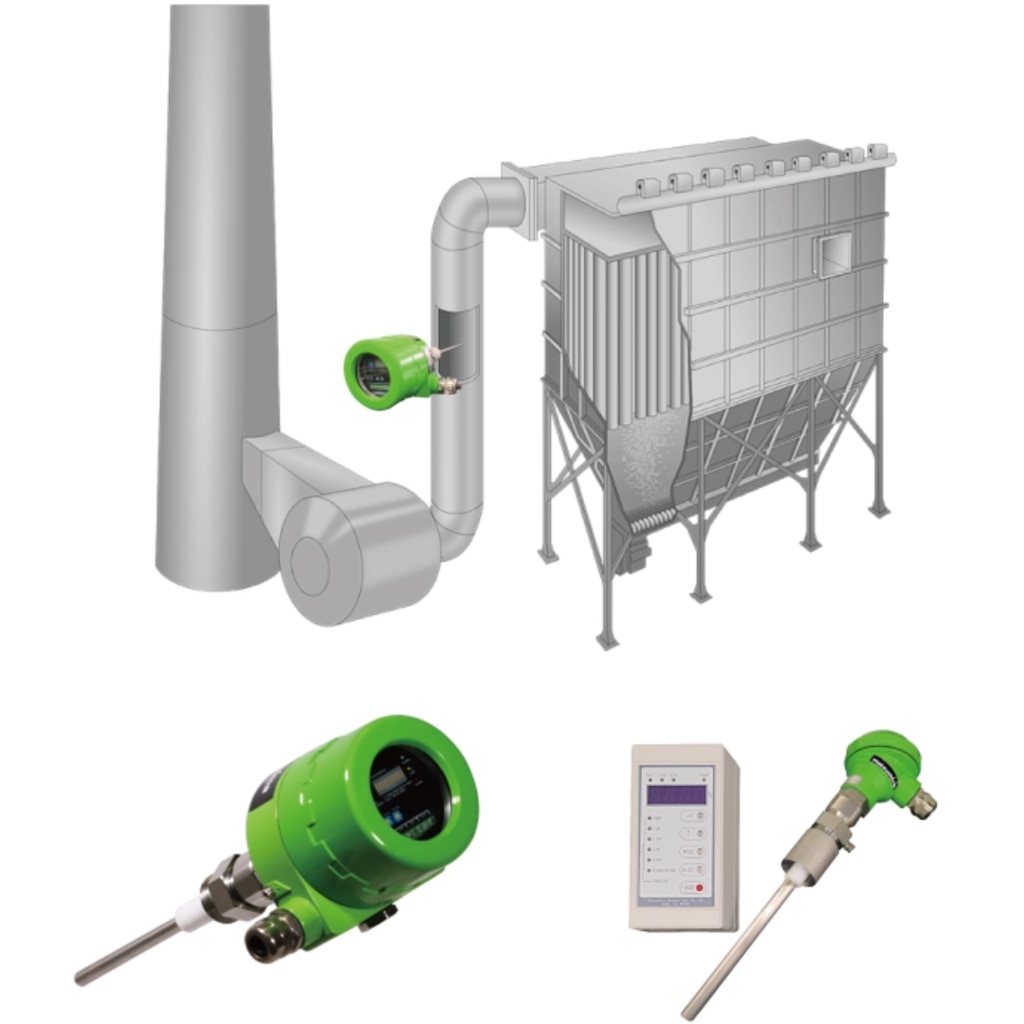
Compact type, Remote sensor type, Correlation compensation function, High temperature resistant, Ex-proof (Ex ib IIB T4), Corrosion resistant, etc.
Key Benefits
Achieved by the technology
Material Loss Reduction

It detects even minute leaks (0.1mg/m3 or over) when filter begins to break, and it is possible to prevent the valuable raw materials leak.
Labor Saving
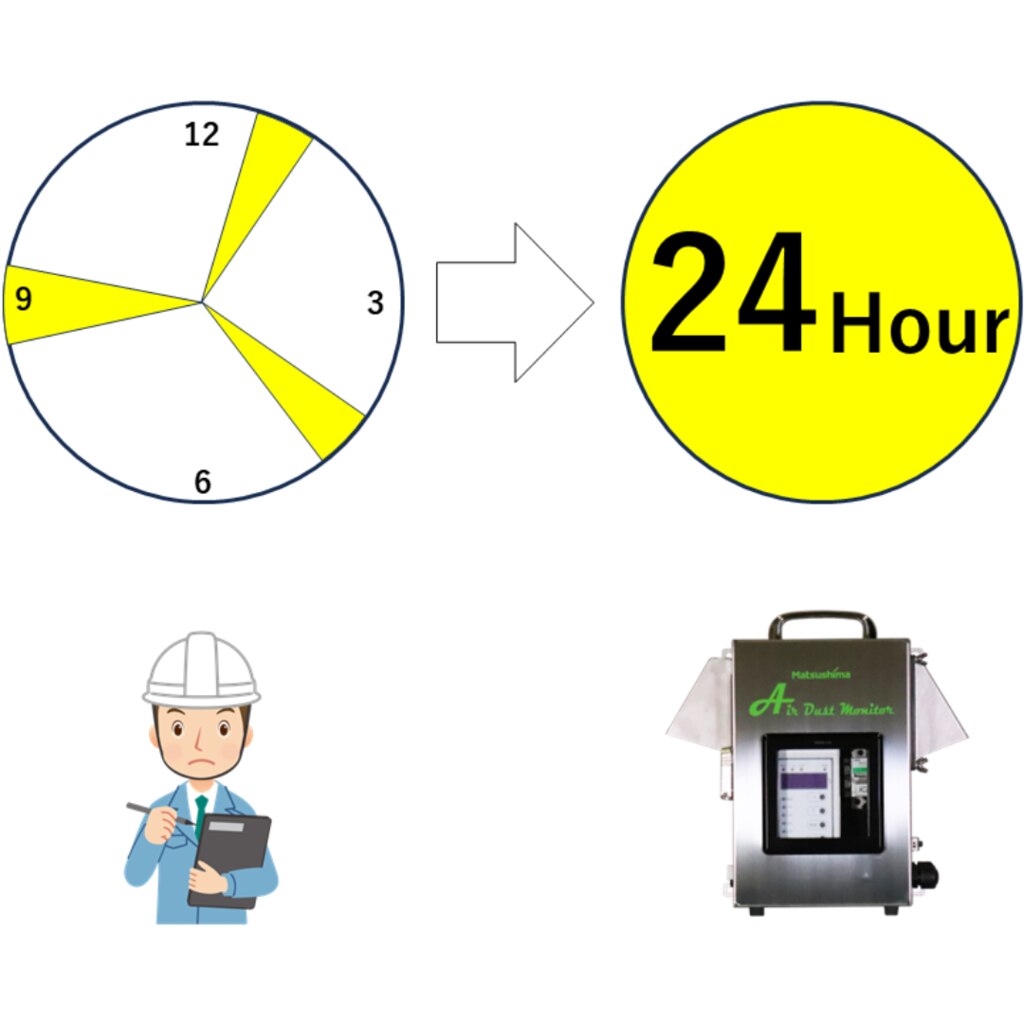
It replaces a human and continuously monitors 24 hours a day.
It is possible to reduce maintenance work such as cleaning work for dust leakage, etc. because it tells you before dust leaks.
Running Cost Saving
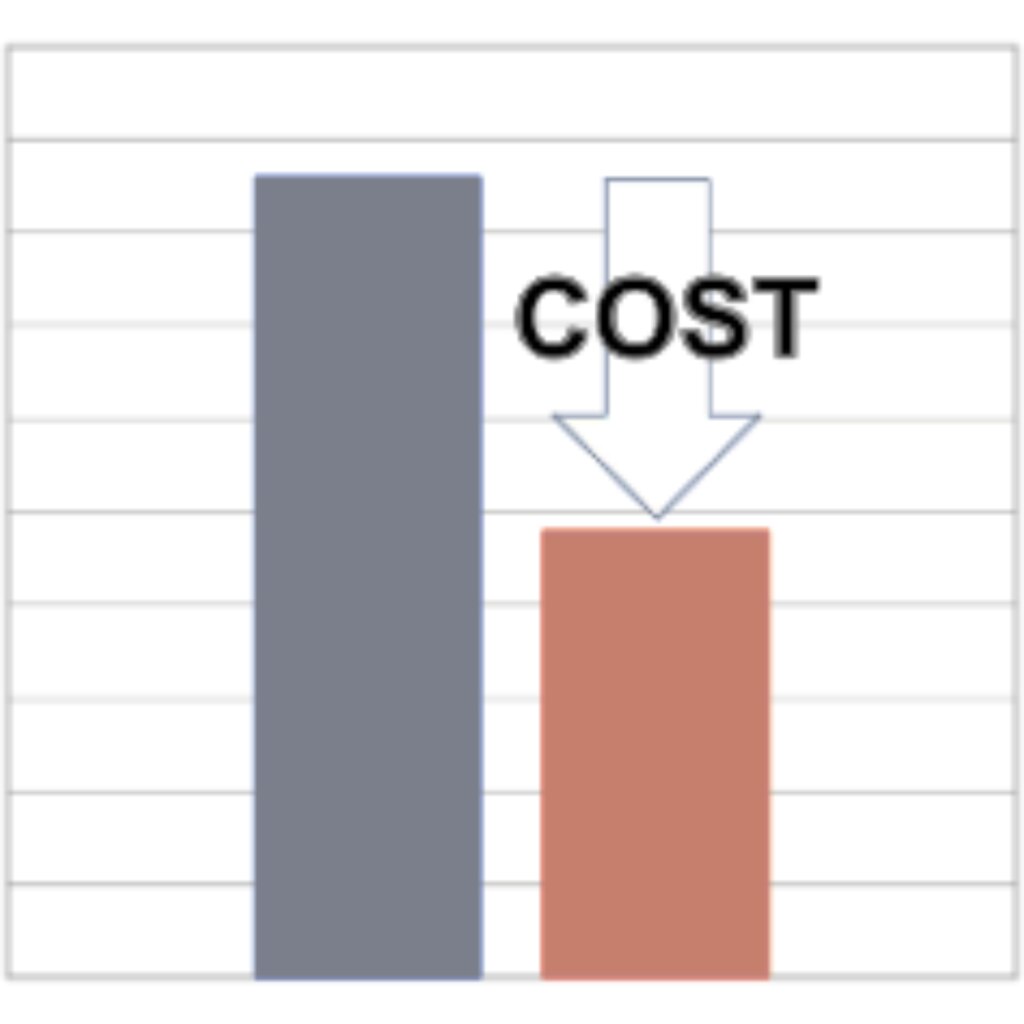
Inside of dust collector is divided into multiple rows and backwashed in row order.
Leakage during backwashing appears as a trend for each row, so there is no waste by replacing only the filters in rows with a large amount of leakage.
References
Related Applications
Related Products
CONTACT
Please feel free to ask us if you have any questions, inquiries or want our support.
Click here to download documents.
Click here for any questions.
Knowledge
Trivia, trends or information mainly for technologies.
FAQ
Frequently Asked Questions.
Seminar
WEBINAR archives available for free viewing.


© Matsushima Measure Tech