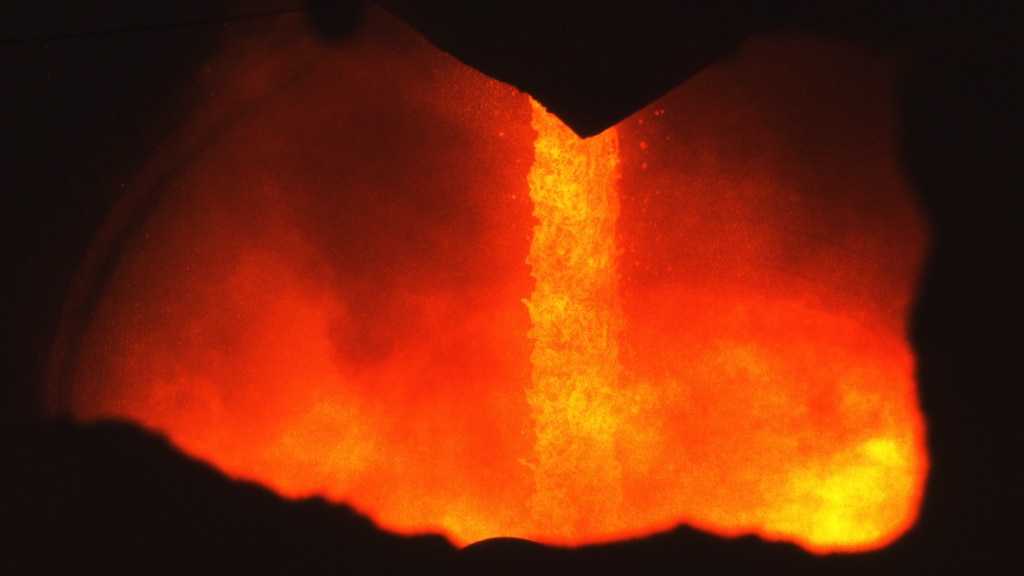
Torpedo Car Level Measurement
Radar Level Measurement for Molten Pig Iron in Torpedo Cars at Blast Furnace Casting Floors


Radar Level Measurement for Molten Pig Iron in Torpedo Cars at Blast Furnace Casting Floors
Introduction
During blast furnace tapping operations, molten pig iron is poured into torpedo cars and transported to the next steelmaking process.
Accurate level monitoring is essential to prevent overflow and ensure safe and efficient operation. However, the casting floor environment presents several challenges, including extremely high temperatures, strong radiant heat, and limited installation space.
Matsushima Measure Tech’s radar level transmitter provides a reliable non-contact solution for continuous level monitoring of molten pig iron under these harsh operating conditions.
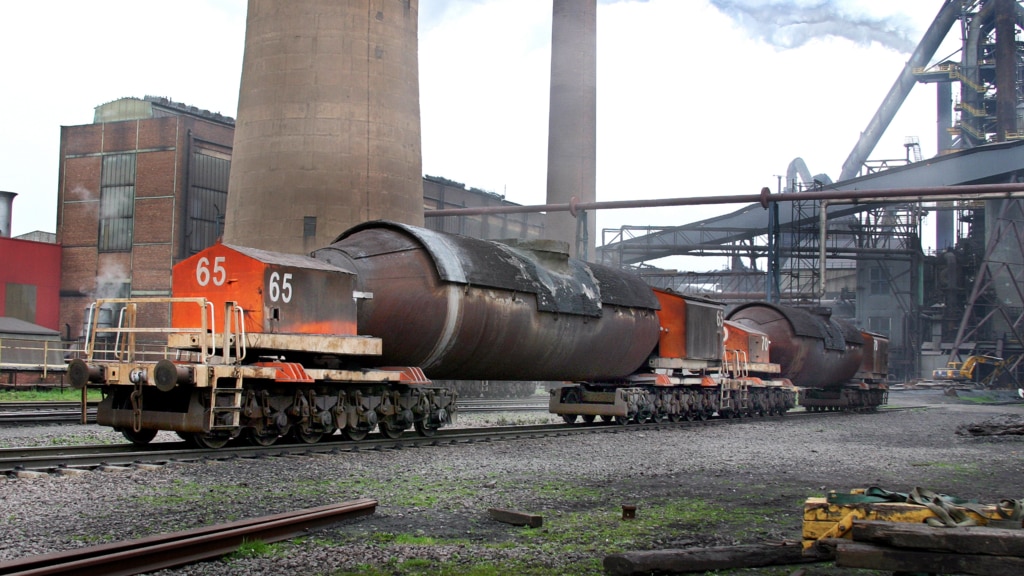
01 | Level measurement is required in a narrow space while avoiding the stream of molten pig iron during pouring. |
During tapping, molten pig iron is continuously poured into the torpedo car, leaving only a limited installation area for measurement devices. The level sensor must be positioned so that it does not interfere with the molten metal stream while still enabling accurate level monitoring.
02 | High ambient temperature resistance is required at the sensor installation area. |
The environment around the blast furnace casting floor is extremely hot due to nearby molten metal and surrounding equipment. Therefore, the level measurement device must be capable of stable operation under high ambient temperature conditions.
03 | Resistance to intense radiant heat from the torpedo car is required. |
When the torpedo car is filled with molten pig iron, strong radiant heat is generated from the molten metal surface. The level measurement equipment must be designed to withstand this intense thermal radiation without performance degradation.
Solution
To solve these challenges, Matsushima Measure Tech’s Radar Level Transmitter provides a reliable and non-contact level measurement solution for molten pig iron in torpedo cars.
The radar level transmitter measures the level by emitting microwave signals toward the molten metal surface and receiving the reflected signals.
Since the measurement is non-contact, the sensor can be installed at a safe position without interfering with the stream of molten pig iron during the pouring process.
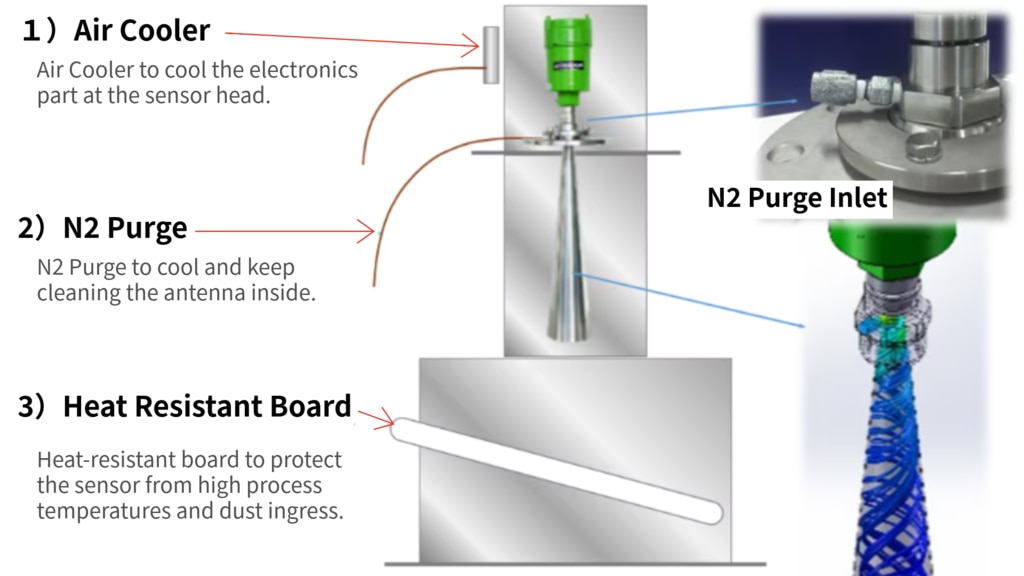
In addition, the radar sensor is designed to withstand high ambient temperatures and strong radiant heat typically present at blast furnace casting floors.
This enables stable level monitoring even in harsh ironmaking environments.
By continuously monitoring the molten pig iron level during tapping operations, operators can prevent overflow accidents, improve operational safety, and optimize the filling process of torpedo cars.
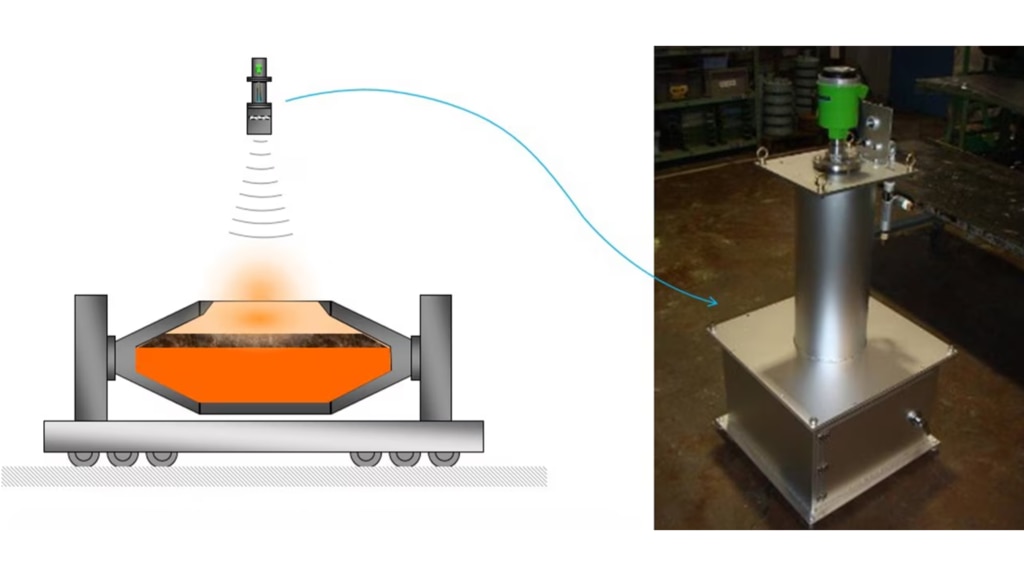
Level measurement at blast furnace casting floors requires instrumentation that can withstand extremely harsh operating environments.
During tapping operations, molten pig iron at temperatures exceeding 1,400 °C is poured into torpedo cars for transportation to the steelmaking process.
The measurement equipment must operate reliably despite strong radiant heat, high ambient temperatures, dust, and limited installation space.
In addition, the sensor must be installed in a position that avoids interference with the molten metal stream while still providing accurate and continuous level monitoring.
These severe environmental conditions make non-contact radar level measurement an effective solution for monitoring molten pig iron levels in torpedo cars.
Radar level measurement is particularly suitable for molten metal applications because it enables reliable non-contact measurement even in high-temperature and dusty environments.
Unlike contact-type measurement methods, radar sensors are not affected by molten metal splashes or mechanical wear.
This allows stable long-term operation and reduces maintenance requirements in steel plant environments.
Achieved by the technology
01 | Safe and reliable level monitoring during molten pig iron pouring |
The non-contact radar measurement enables accurate level monitoring without interfering with the molten pig iron stream during tapping operations, helping prevent overflow accidents.
02 | Stable operation in extremely high-temperature environments |
The radar level transmitter is designed to withstand high ambient temperatures and strong radiant heat at the blast furnace casting floor, ensuring reliable performance under harsh operating conditions.
03 | Improved operational safety and process control |
Continuous level monitoring allows operators to optimize the filling level of torpedo cars, improving operational safety and contributing to more stable steelmaking operations.
Please feel free to ask us if you have any questions, inquiries or want our support.
Click here to download documents.
Click here for any questions.
Trivia, trends or information mainly for technologies.
Frequently Asked Questions.
WEBINAR archives available for free viewing.
© Matsushima Measure Tech