Radar Tide Gauge for Sea Level Monitoring
Provides stable tide measurement even in harsh coastal environments while minimizing maintenance.


Provides stable tide measurement even in harsh coastal environments while minimizing maintenance.
Introduction
A tide measurement system monitors periodic sea level changes caused by tidal forces.
In coastal and marine applications, accurate measurement is critical for safe operation and disaster prevention.
Radar and radio-wave water level transmitters enable non-contact, stable monitoring without being affected by water conditions or weather.
Challenges
Traditional approaches, such as float or pressure-based gauges, often require in-water installation and are affected by salinity, biofouling, and harsh weather.
01 | Affected by seawater and waves |
In-water sensors are exposed to corrosion, debris, and rough sea conditions, which can reduce measurement reliability.
02 | High maintenance burden |
Biofouling and wear require frequent cleaning and maintenance, increasing operational costs.
03 | Difficult and unsafe installation |
Installation and servicing often involve marine work or diving, posing safety risks and limiting site selection.
Solution
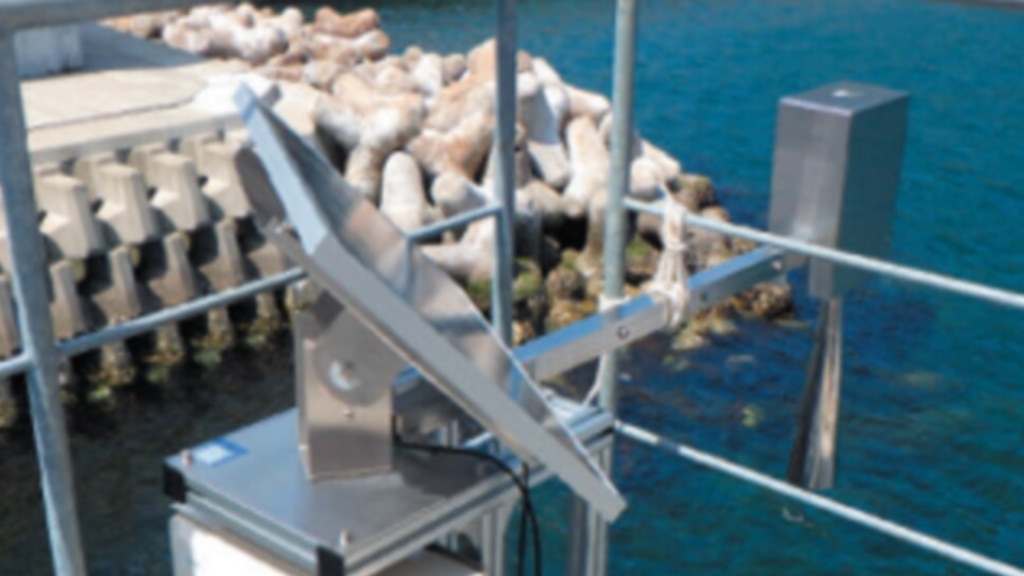
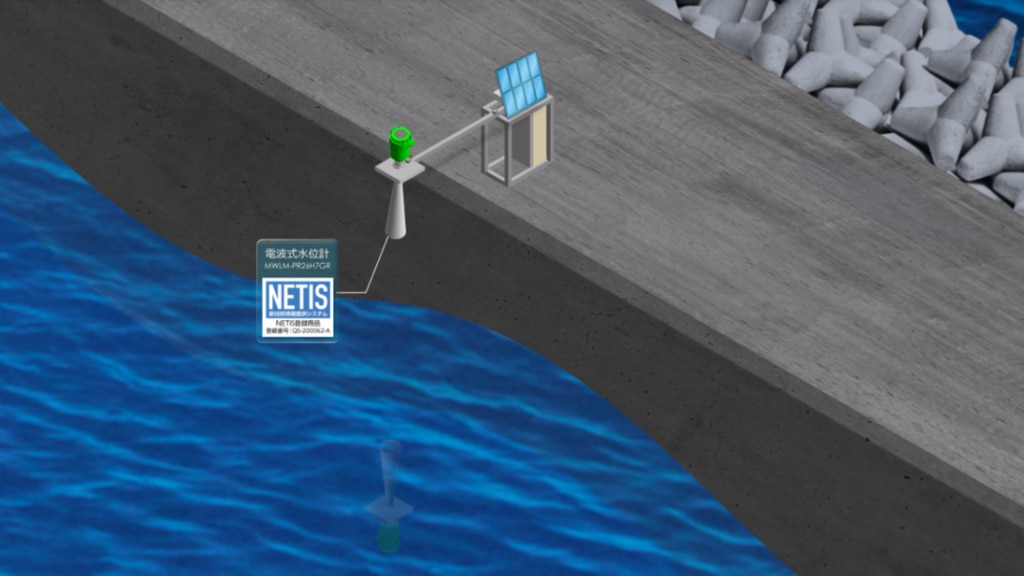
A radar type tide measurement system uses radio waves to measure sea level without contacting the water surface.
Installed above the sea, it accurately detects tide changes by calculating the distance to the water surface, providing stable and reliable data regardless of waves, salinity, weather, or marine fouling.
This non-contact approach minimizes maintenance and ensures safe, long-term operation in harsh coastal environments.
It is preferred compared to other conventional tide gauges because:
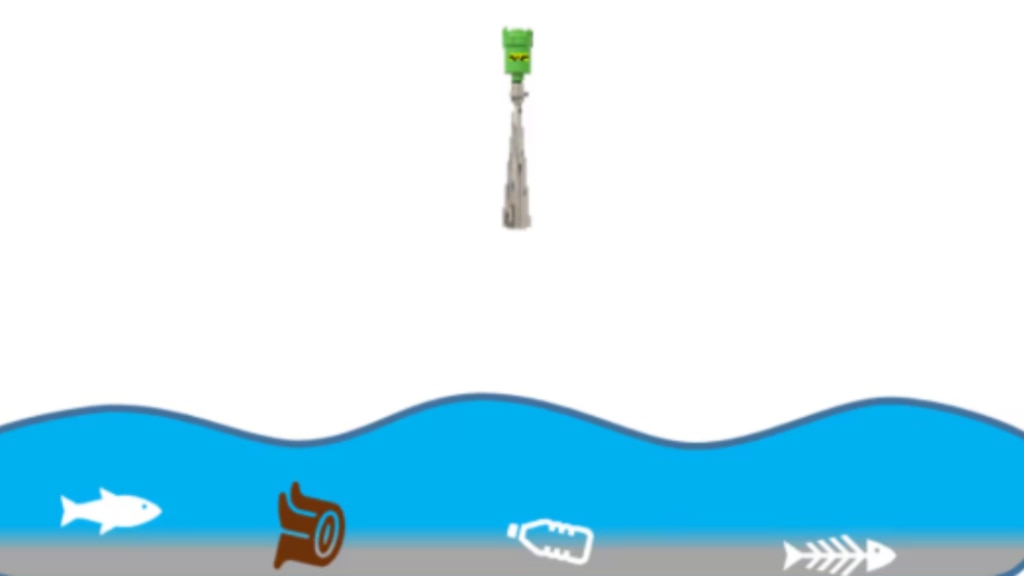
The non-contact principle ensures stable measurement, unaffected by seawater conditions.
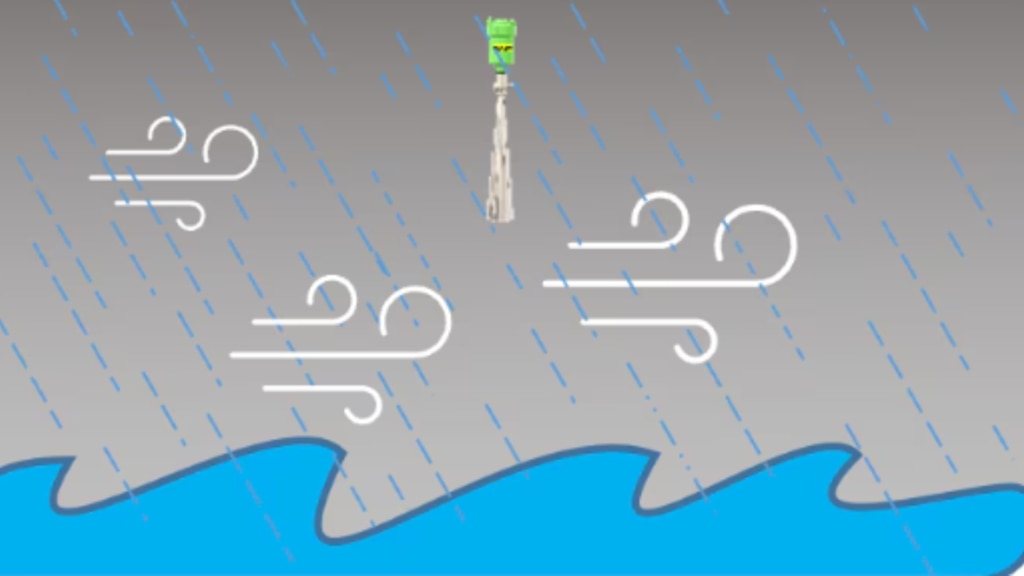
Radar-based measurement ensures reliable performance without being influenced by ambient air conditions.
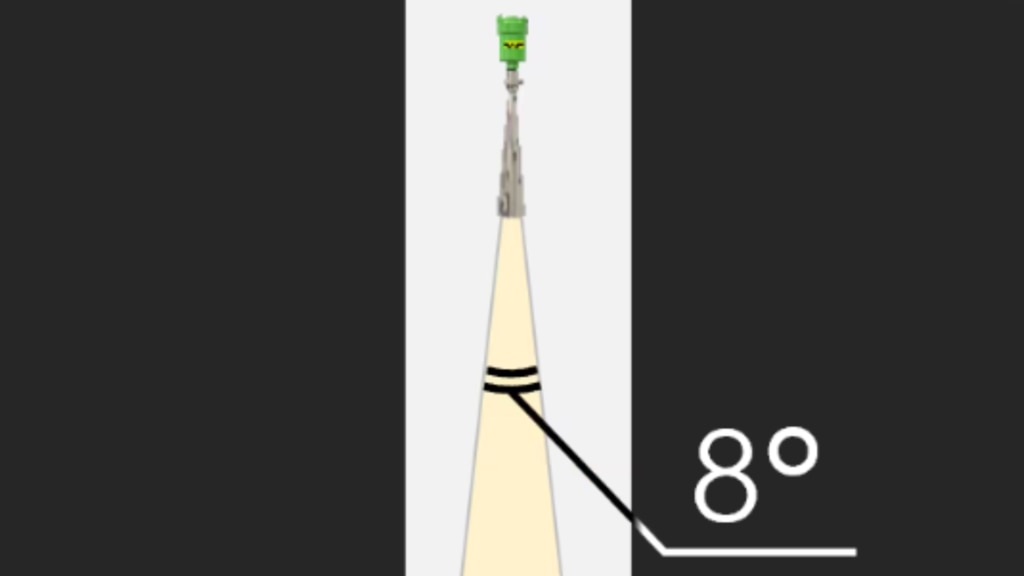
The narrow beam angle provides stable measurement, even in narrow shaft-like well structures.
This technology has also been officially reported by the Hydrographic and Oceanographic Department, Japan Coast Guard (JHOD). Please refer to the official report at the link below:
Achieved by the technology
01 | Stable and Reliable Tide Monitoring |
Non-contact radar measurement provides accurate tide level data, unaffected by waves, seawater conditions, or marine fouling.
02 | Reduced Maintenance and Lower Lifecycle Cost |
Since the sensor does not touch the water surface, cleaning and maintenance work are minimized, leading to lower operational costs.
03 | Safe Installation and Long-Term Coastal Operation |
Radar systems can be installed above the water, eliminating the need for in-water work or diving, ensuring safe and continuous monitoring even in harsh coastal environments.
Please feel free to ask us if you have any questions, inquiries or want our support.
Click here to download documents.
Click here for any questions.
Trivia, trends or information mainly for technologies.
Frequently Asked Questions.
WEBINAR archives available for free viewing.
© Matsushima Measure Tech